

Buying a container is only one part of the job. The next question is whether the truck and container can reach the exact place where you want it set down. This shipping container delivery site preparation guide helps United States buyers prepare before the delivery date, whether the container will be used for storage, a jobsite, an office conversion, or another practical project.
Good preparation makes the delivery conversation clearer. It gives your seller and transport coordinator useful facts: the container size, the destination, the route into the property, the ground condition, the intended door direction, and anything overhead or alongside the path. It also helps you spot questions early, when they are easier to solve than they are with a truck at the gate.
The aim is not to guess a universal clearance or promise that every site will work the same way. Container dimensions, truck configurations, local access, and placement methods vary. Instead, use this checklist to collect the details that matter and confirm the final plan with your delivery coordinator before scheduling.
Start with the container and the intended use
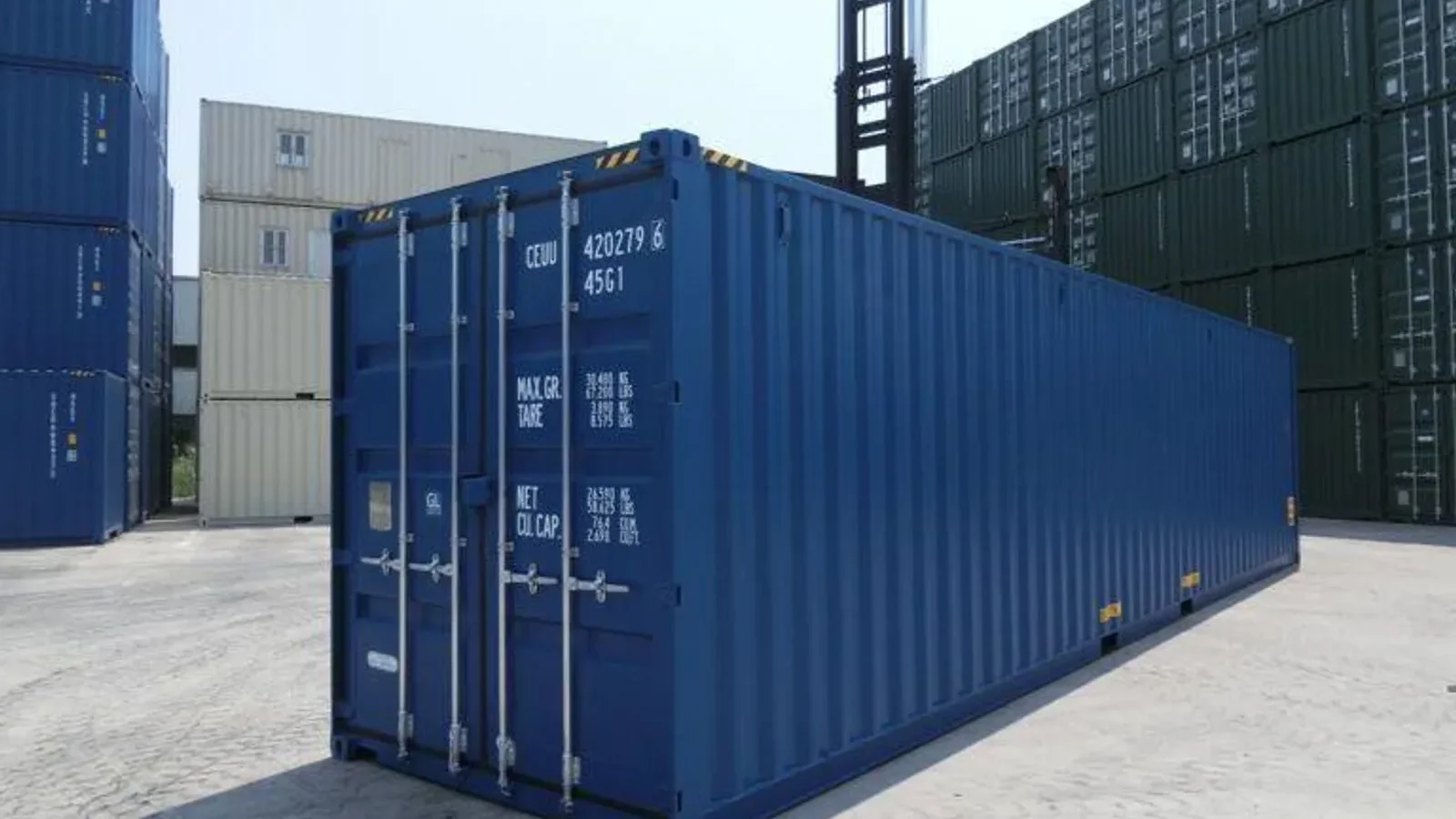
Site preparation starts with a clear order. Tell the supplier whether you are considering a 20-foot shipping container, a 40-foot shipping container, or a 40-foot high cube container. The size affects the space you need to reserve, the route to the placement area, and the questions the delivery team will ask.
Next, state the job the container needs to do. A unit used for equipment storage may need doors facing a driveway or loading area. A container planned for a worksite may need to sit near power, a staging area, or the people who will use it daily. If you are comparing condition as well as size, review the difference between used shipping containers and newer options before finalizing the order. The best placement is the one that supports daily use without making access difficult.
It is useful to draw a simple overhead sketch. Mark the public road, the property entrance, the proposed route, the final pad, nearby buildings, trees, poles, fences, ditches, and any slopes. It does not need to be an engineering drawing. A plain sketch gives everyone the same starting point.
Shipping container delivery site preparation checklist
Use the following checklist before you request a firm delivery date. If an answer is uncertain, write that down too. A clear “needs review” is more useful than an assumption.
- Delivery address and contact: Confirm the full address, gate instructions, best phone number, and who can answer questions on delivery day.
- Container selection: Confirm the length, height, condition, and quantity you intend to buy.
- Arrival route: Identify the road, turn, driveway, gate, lane, or access point a delivery vehicle would use.
- Obstacles: Note low branches, utility lines, signs, parked vehicles, tight corners, walls, soft shoulders, drainage features, and other restrictions.
- Placement surface: Describe the proposed ground, its level, and how it behaves in wet weather.
- Door orientation: Decide which way the container doors should face when it is placed.
- Photos and measurements: Take current, wide photos of the route and final location, and record measurements where you can do so safely.
- Local requirements: Check whether property rules, permits, utility restrictions, or site-management rules apply to your location.
This is a practical decision tool, not a substitute for the delivery company’s instructions. Share the checklist and photos before dispatch so the actual transport plan can be reviewed for your site.
1. Walk the entire approach, not just the final pad
A common mistake is to inspect only the spot where the container will sit. The delivery vehicle must first travel from the public road to that spot. Walk the complete route in the same direction the truck is likely to use. Look at the entrance, turns, narrow points, changes in grade, shoulders, overhanging vegetation, and places where a large vehicle would need room to maneuver.
Take photos from several viewpoints: looking in from the road, looking out toward the road, approaching each turn, and standing at the final placement area. Include a familiar object only when helpful for scale. Send unedited wide shots as well as close-ups of possible restrictions. A photo taken from the wrong direction can hide the real issue, so label the sequence or add a short note explaining where each image was taken.
Do not trim branches, move utility equipment, or alter public access based on a generic online measurement. Instead, point out the concern and ask what the selected delivery method requires. That keeps the decision tied to the actual container and truck plan.
2. Look up, look down, and look to each side
Overhead and side clearance deserve their own review. Power lines, communication lines, tree limbs, roof edges, signs, carports, and gates can affect whether a route is suitable. Ground-level constraints matter too: culverts, drainage ditches, soft shoulders, retaining walls, buried-service markers, and uneven transitions can change how a vehicle enters or leaves the property.
Also consider what will be happening on the day. A route that is open on a quiet afternoon may be blocked by customer parking, a construction crew, school traffic, or another delivery. If a gate normally stays locked, arrange access in advance. If a neighbor’s shared drive or a site manager’s area is involved, make sure the responsible person understands the delivery window.
For context on container classifications and dimensions, you can review the published ISO 668 standard. It is still important to confirm the specific container and transport plan with the people arranging your delivery; a standard container dimension alone does not define the vehicle’s operating space.
3. Prepare stable, sensible ground for placement
The final location should be considered as carefully as the route. You want a surface that is stable, reasonably level, and appropriate for the container’s intended use. Water that regularly collects around the area, recently disturbed soil, a steep grade, or a surface that becomes soft after rain all deserve discussion before delivery.
Many buyers use an appropriately prepared base or supports to keep the container positioned as planned and to help with drainage and door operation. The right approach depends on the property, the container, local conditions, and professional advice where needed. If the ground condition is uncertain, take photos after rain and ask a qualified local site or foundation professional for recommendations. Do not treat a generic checklist as a structural design.
Think beyond the first day. Leave room to open the doors fully, bring items in and out, inspect the exterior, and reach the container later if maintenance is needed. If the area will be used by forklifts, carts, pickups, or people carrying materials, map those paths now rather than squeezing them around the container later.
4. Decide door direction before the truck arrives
Door orientation is easy to overlook and frustrating to change afterward. Stand at the proposed location and imagine a normal workday. Should the doors face the driveway for direct unloading? Should they face away from public view? Do they need to open toward a fenced work area, a loading zone, or a future office entrance?
Add the desired door direction to your sketch and photographs. If the site has two possible placement orientations, identify both and explain which is preferred. That gives the delivery team a practical fallback if site conditions require a conversation on arrival. Never assume a container can simply be spun after placement without confirming the equipment, room, and safety plan required.
For buyers still deciding between common sizes, our 20-foot vs. 40-foot shipping container guide can help clarify the footprint and storage trade-offs. The container that fits your inventory is only a good fit when it can also be delivered and used comfortably on the property.
5. Plan for the delivery method without making assumptions
Shipping container delivery can involve different truck and placement arrangements. The available method may depend on the container, destination, regional carrier availability, route, ground, and requested position. That is why early, specific communication is more valuable than relying on a single “clearance requirement” found online.
When you request a quote, describe the delivery address and container size, then attach the route and placement photos. Ask these direct questions:
- What delivery method is being proposed for this order?
- What access, clearance, ground, and maneuvering information does that method require?
- Where should the driver enter, turn, and position the vehicle?
- What door orientation and final placement details should be confirmed before dispatch?
- What should happen if the driver identifies a site concern on arrival?
This approach protects both the buyer and the delivery team. It creates one shared plan instead of leaving essential decisions to a rushed delivery-day conversation.
6. Communicate the facts that change the plan
Small site details can make a large difference. Tell the delivery coordinator about a newly installed gate, recent rain, construction activity, a narrow bridge, a sharp driveway entrance, restricted delivery hours, or a placement area that must stay clear of another operation. These are not inconveniences to hide; they are exactly the facts that help a carrier assess the job accurately.
It also helps to choose one decision-maker. That person should be available by phone, know the preferred door direction, understand where the container belongs, and have authority to pause the placement if conditions are not as expected. If the property is a commercial or jobsite location, give the onsite contact the arrival information and make sure any required safety or access procedures are known.
For multi-location planning, start with our shipping container locations page and then provide the exact destination details for a site-specific review. A metro-area page can help you begin a conversation, but it cannot replace current photos and access information from the actual property.
7. Make delivery day predictable
The best delivery days are uneventful because preparation has already happened. Before the scheduled window, remove movable obstacles from the agreed route, unlock the gate, reserve the needed access area, and keep children, pets, visitors, and unnecessary vehicles away from the work zone. Recheck the placement area after storms or landscaping work, because ground and access conditions can change quickly.
Keep your phone charged and remain reachable. Have the order details, site sketch, and photos available. If the driver or coordinator raises a safety concern, treat it as a reason to review the plan—not as a problem to work around informally. A safe, confirmed placement is more important than forcing a delivery into a location that no longer matches the agreed conditions.
What to send when you ask for a shipping container delivery quote
A complete quote request saves time and reduces back-and-forth. Use the MS Container Solutions quote form to share your container needs, then include the information below if the form or coordinator requests it:
- Delivery ZIP code and full site address
- Preferred container size, quantity, and condition
- A short description of the intended use
- Wide photos of the road approach, entrance, turns, and placement location
- Known gate widths, tight spots, overhead items, grades, or surface concerns
- Preferred door orientation and any acceptable alternative
- Contact information for the person available on delivery day
If price is still part of the decision, read our shipping container cost guide alongside this checklist. A useful quote considers the container itself and the practical details needed to get it to the right place.
Final delivery-site preparation review
Before you approve scheduling, review your answers one more time. Can the coordinator see the route, entrance, obstacles, surface, and final placement area? Have you confirmed the container size and door direction? Is the property ready for the delivery window? Does the plan account for current site conditions rather than photos from months ago?
That final review is the heart of shipping container delivery site preparation. It is not about memorizing a universal rule. It is about replacing assumptions with site-specific information, asking the right questions, and giving the delivery team a clear picture of the job. With that groundwork in place, you can move from “Will it fit?” to a practical, coordinated delivery plan.
Frequently Asked Questions
What is the first step in shipping container delivery site preparation?
Confirm the container size and walk the full route from the public road to the planned placement area. Then collect photos and details about gates, turns, overhead obstacles, ground conditions, and the preferred door direction for the delivery coordinator.
Do I need to prepare a foundation before a shipping container is delivered?
The right base or support approach depends on the property, ground conditions, container use, and local professional advice. Discuss the proposed surface with your delivery coordinator, and seek qualified local guidance if the ground is uncertain or the project has structural requirements.
How do I know whether a delivery truck can access my property?
Do not rely on a generic clearance number. Share the container size, address, route photos, gate and turn details, overhead obstacles, and ground conditions with the delivery coordinator so the actual transport plan can be reviewed for your site.
Which direction should shipping container doors face?
Choose the direction that supports everyday loading, unloading, security, and access. Mark the preferred orientation in your site sketch and confirm it with the delivery coordinator before dispatch.
What photos should I send for a shipping container delivery quote?
Send wide, current photos of the public-road approach, entrance or gate, turns, narrow points, overhead obstacles, and the final placement area. Add notes that explain where each photo was taken and flag any recent changes, such as rain or construction.