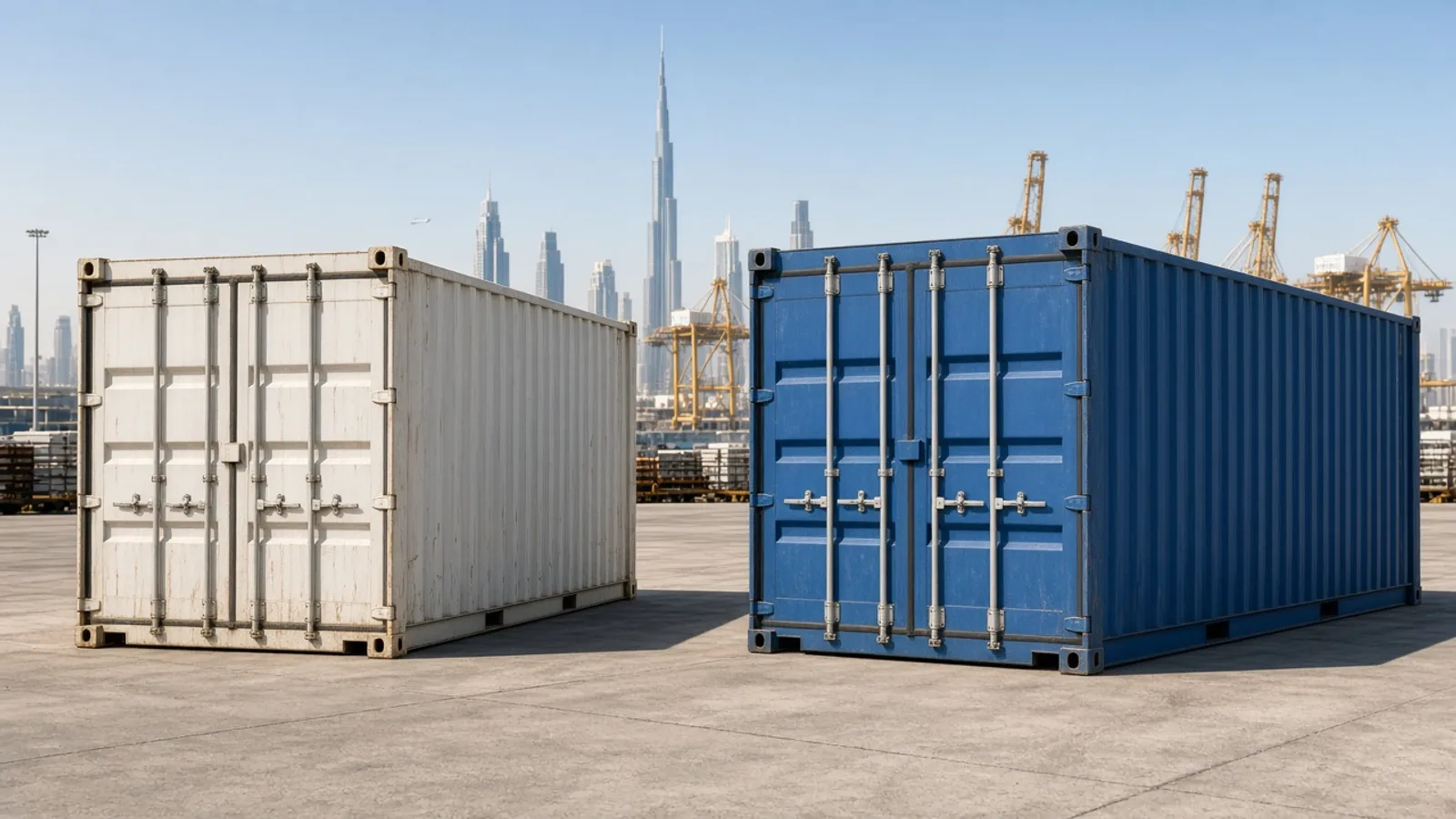
Choosing between a 20ft shipping container and a 40ft shipping container is one of the first decisions US buyers make. Both sizes share a familiar ISO footprint and steel construction, but they behave differently on site access, storage volume, and delivery planning. This guide explains how to pick the right length for storage, construction compounds, and commercial projects across the United States.
Quick Size Comparison
A standard 20ft unit is roughly 20 feet long, 8 feet wide, and 8 feet 6 inches tall outside. Interior space is typically around 19 feet 4 inches by 7 feet 8 inches by 7 feet 10 inches, or about 1,165 cubic feet. A standard 40ft unit doubles the length while keeping similar width and height, delivering about 2,350 cubic feet. Exact internals, door openings, and payload ratings vary by manufacturer and condition, so confirm figures on the specific unit before purchase.
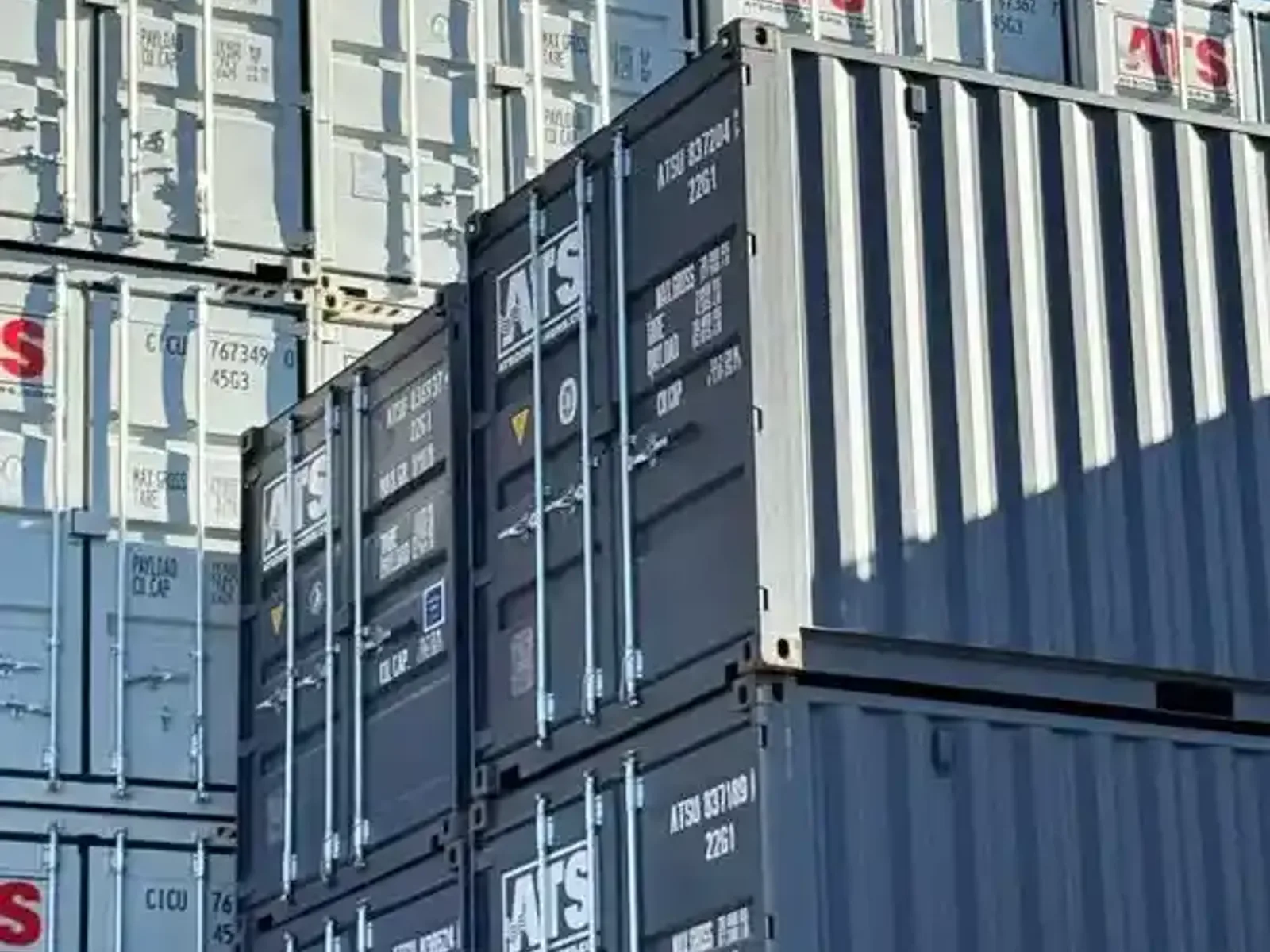
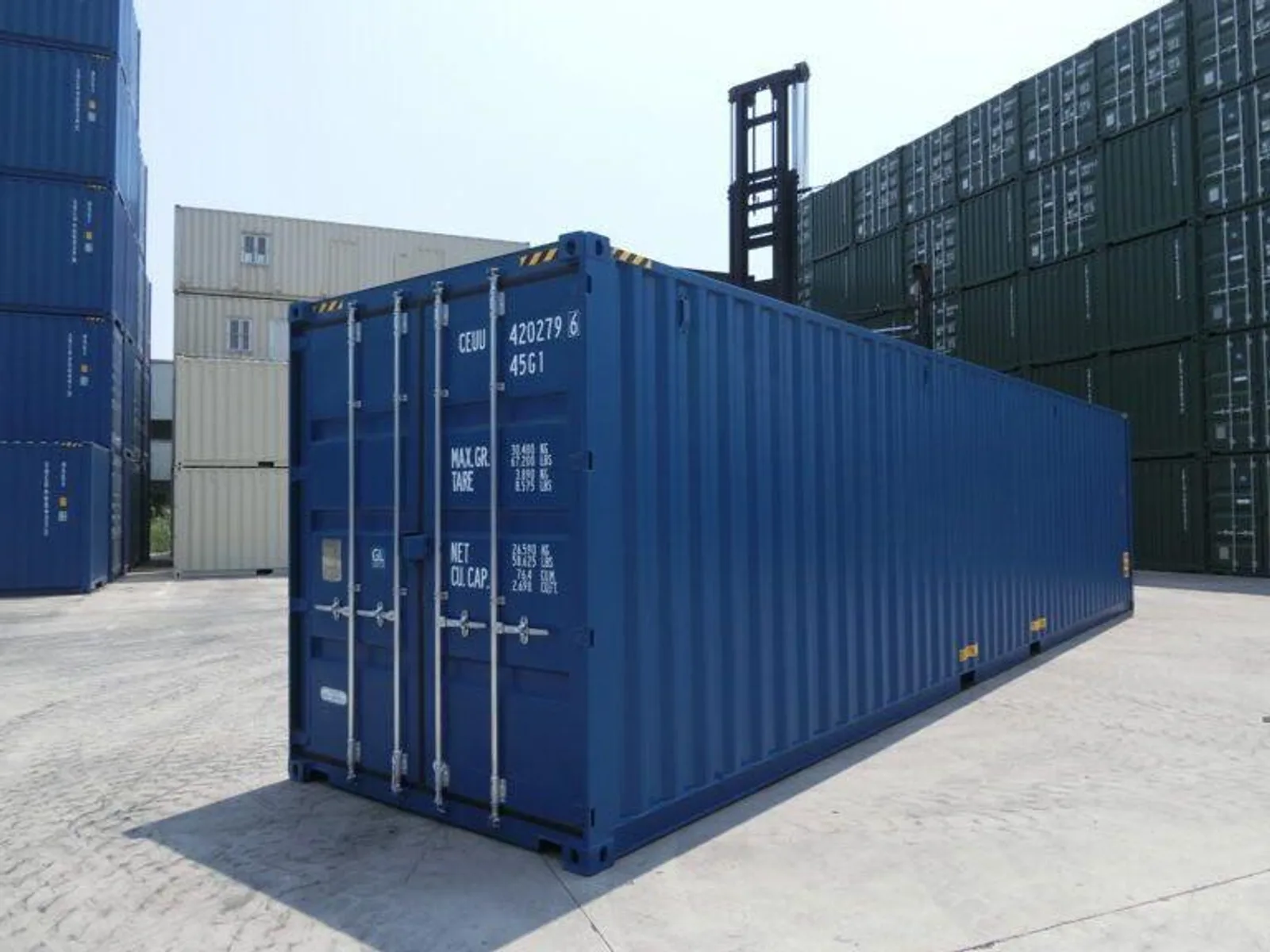
If you need extra headroom rather than more floor length, review high cube containers. High cubes keep a 40ft footprint but add roughly a foot of exterior height, which helps taller racking, bulkier goods, and many conversion layouts.
When a 20ft Container Is the Better Fit
Choose 20ft when truck swing is limited, the drop bay is short, or the load is dense rather than bulky. Construction compounds, small industrial lots, and retail pads often prefer the shorter bay because it is easier to place with a tilt-bed truck. Dense materials such as tools, fasteners, bagged product, and compact equipment use the payload capacity of a 20ft efficiently without needing the full length of a 40ft.
Used 20ft units are also a common budget path for secure outdoor storage when doors, flooring, and sealing are confirmed for wind-and-water tight performance. New or one-trip containers suit longer programs and sites where cleaner presentation matters.
When a 40ft Container Makes More Sense
Choose 40ft when volume matters more than density. Lighter bulky inventory, pallet racks, furniture, packaging materials, and overflow warehouse stock often fill a 40ft faster by cube than by weight. One 40ft can reduce the number of units you need compared with two 20ft boxes, which can simplify fencing, locking, and site layout when approach space allows.
Delivery planning still comes first. A 40ft needs a longer straight approach and more room to offload. Share gate width, overhead lines, soft ground, and preferred drop orientation when you request a quote so MS Container Solutions can review a practical path for your ZIP code.
Storage, Compounds, and Conversion Goals
For pure storage, map how you will load the unit. Forklift access through end doors favors clear aisles. If you plan shelving or mezzanine ideas later, high cube height may matter more than choosing between 20ft and 40ft length alone. For site compounds, two 20ft units can create an L-shaped storage layout that a single 40ft cannot match on a tight lot.
Conversion buyers should think about interior circulation. Cafe counters, office desks, and workshop benches need walking space. A 20ft shell can work for a compact kiosk. A 40ft or high cube shell supports larger prep areas and optional seating. See also our guides on storage uses and office containers.
Condition Still Matters
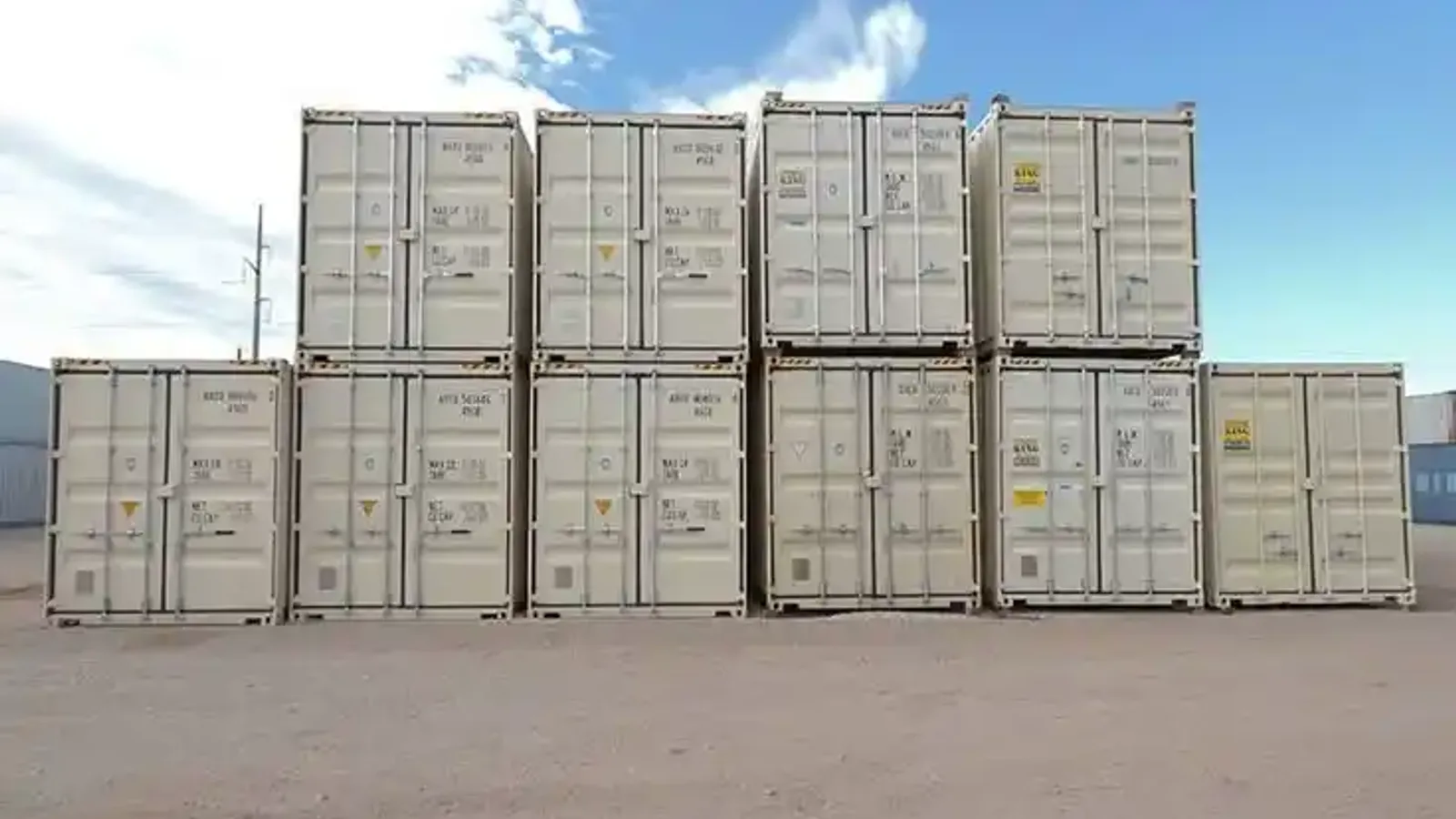
Size does not replace condition. New and one-trip units offer cleaner exteriors and stronger remaining life. Used cargo-worthy units can be excellent for storage when structure and sealing match the job. Read new one trip vs used shipping containers before you lock a budget.
What to Tell Us for a Clear Quote
Share preferred size, condition path, quantity, delivery ZIP or city, and any crane or tilt-bed notes. If you are unsure between 20ft and 40ft, describe what you will store and how long the unit will sit on site. MS Container Solutions responds with a quotation path based on that brief rather than generic catalog assumptions.
Frequently Asked Questions
Is a 40ft always twice as useful as a 20ft?
It roughly doubles internal volume, but site access, payload, and how you load the unit still decide which size works better.
Can I start with a 20ft and add another later?
Yes. Many US sites stage capacity over time. Confirm fencing and approach space so a second unit can land cleanly.
Should I buy a high cube instead of a longer unit?
If headroom is the constraint, high cube can beat adding length. If floor area is the constraint, choose 40ft or multiple 20ft units.
Do dimensions on websites match every container?
No. Published figures are typical ISO planning values. Confirm exact internals and payload on the unit you buy.
How do I get a size recommendation?
Use the quote form with your storage plan and delivery location, or start on the shipping containers hub.