


Deciding on new one trip vs used shipping containers is less about marketing labels and more about duty cycle, presentation, and remaining structural life. US commercial buyers use both paths successfully for storage, compounds, and conversions—when the grade matches the job. This guide explains how to compare new one trip vs used shipping containers with a practical checklist you can send with a quote request.
Explore product families on new shipping containers and used shipping containers, then size against 20ft, 40ft, and high cube options. For equipment context, see Intermodal container and size designations on ISO 668.
What new, one-trip, and used usually mean
In US dealer language, “new” and “one-trip” often describe units with minimal ocean service—clean exteriors, strong floors, and doors that operate smoothly. “Used” covers a wide band: cargo-worthy boxes still fit for freight-like sealing, and storage-grade units with more cosmetic wear that remain serviceable when inspected carefully. A serious new one trip vs used shipping containers discussion always defines the grade in writing instead of relying on a single adjective in an ad.
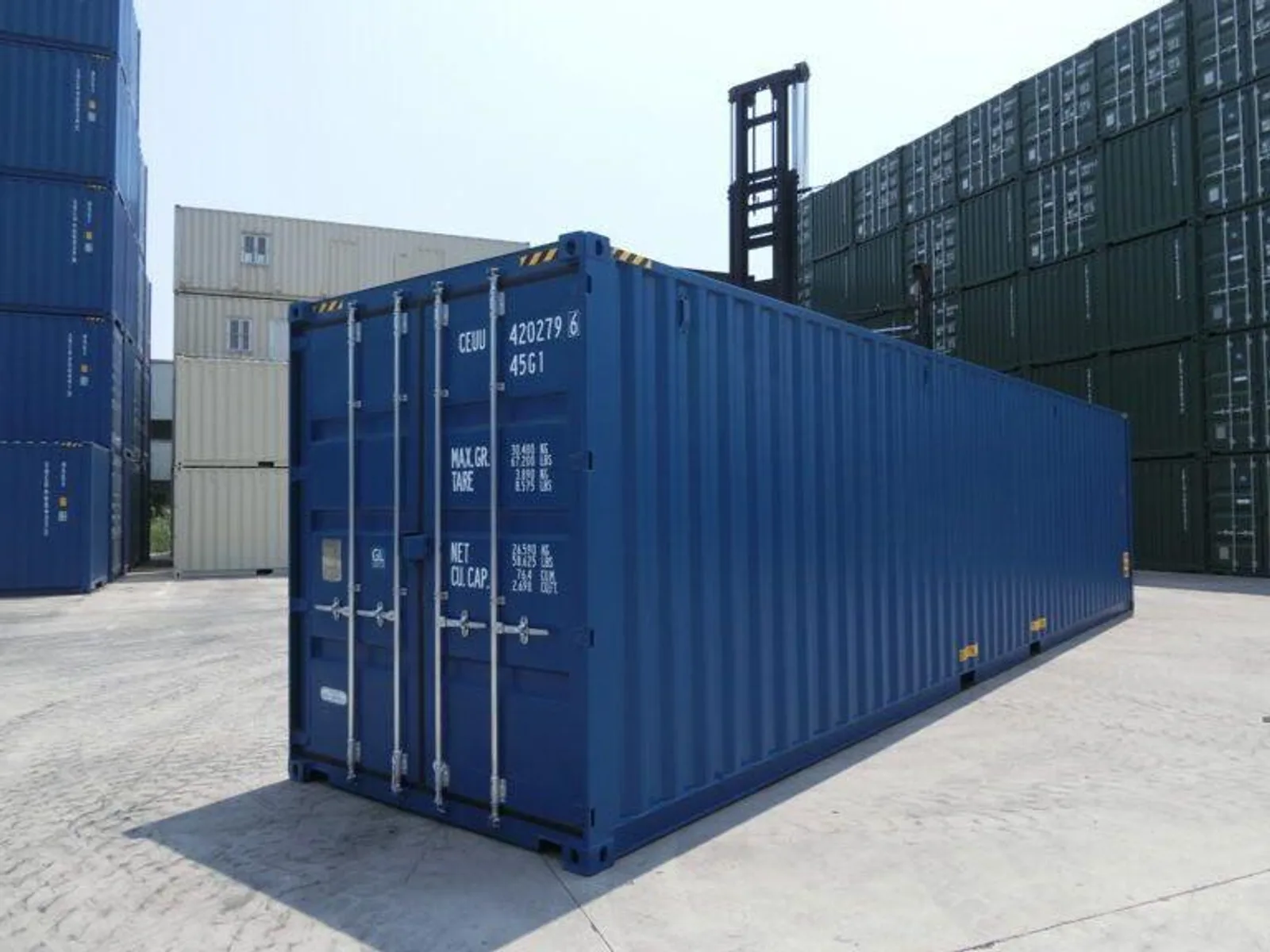
Ask what inspection criteria were used: door gears, corner castings, roof, understructure, flooring, and light leaks. Those details decide whether a lower purchase price is a bargain or a future repair invoice. That is the core of any honest new one trip vs used shipping containers comparison.
When newer units win a new one trip vs used shipping containers choice
Choose new or one-trip when:
- Brand presentation matters (customer-facing lots, HQ campuses, retail pads)
- You expect a long service life with minimal early floor or door work
- Conversion cuts and finishes benefit from cleaner panels and tighter tolerances
- You want more predictable remaining life for multi-year programs
Office and cafe-style projects often lean newer for aesthetics and sealing before insulation and openings go in. See office containers and shipping container offices if people space is the goal. In those scopes, the new one trip vs used shipping containers delta can be smaller than the fit-out budget—but starting with a sound shell still matters.
When used cargo-worthy is the smarter buy
Used cargo-worthy units shine for secure outdoor storage, contractor compounds, and back-of-house inventory when doors seal, floors are solid, and structural members are sound. Many US sites never need a showroom finish. In those cases, a carefully selected used box delivers the function without paying for cosmetics you will never see from the street.
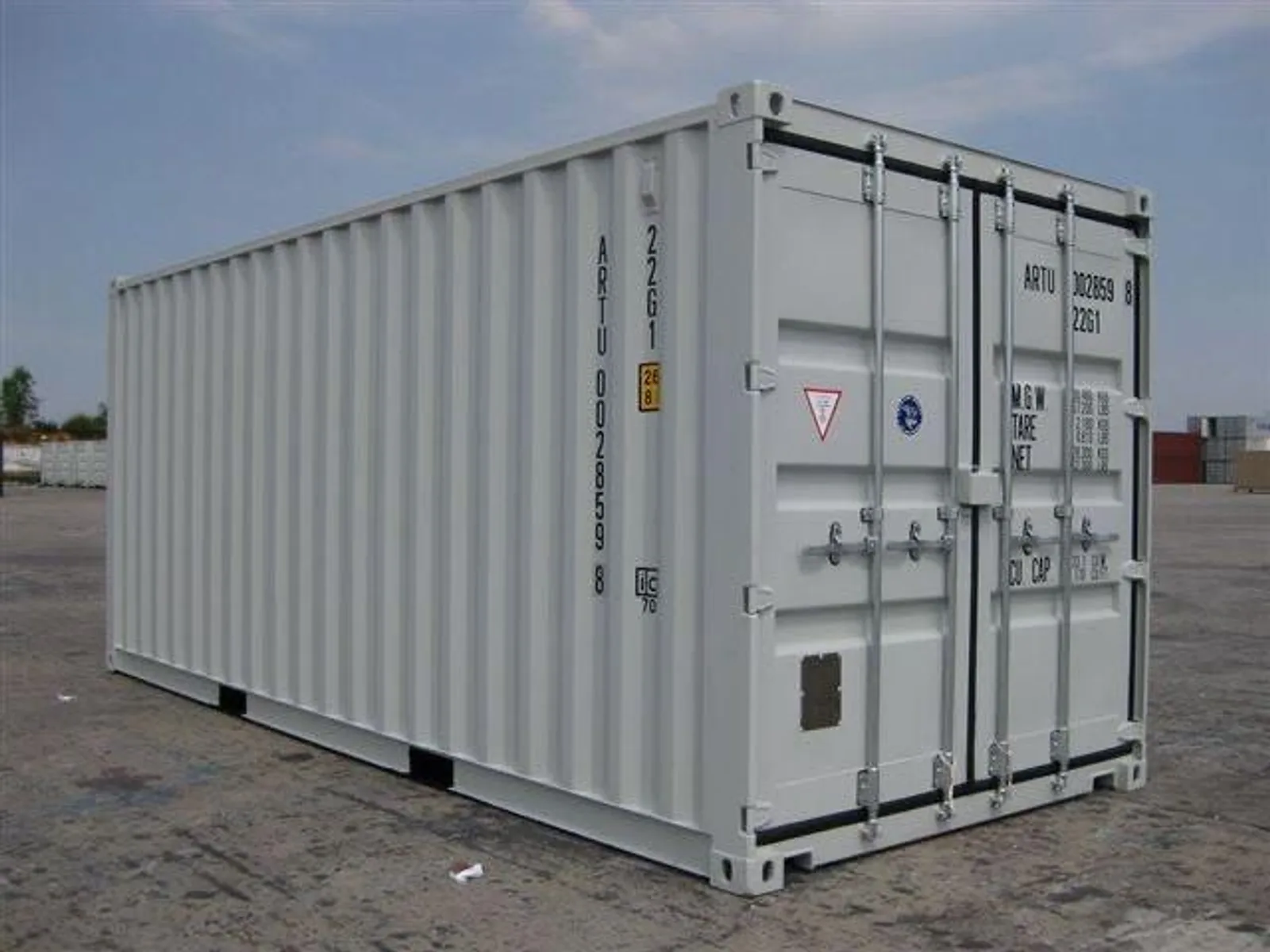
Storage-focused buyers should also read shipping containers for storage. Match size to inventory flow—see 20ft vs 40ft shipping container—before you overspend on condition you do not need. A disciplined new one trip vs used shipping containers call is really a duty-cycle call.
| Factor | New / one-trip | Used cargo-worthy |
|---|---|---|
| Exterior presentation | Typically cleaner | More marks, still functional |
| Remaining service life | Generally longer | Depends on inspection |
| Typical best use | Conversions, long programs | Storage, compounds |
| Up-front price | Higher | Usually lower |
| Risk if uninspected | Lower cosmetic risk | Higher—verify seals/floors |
Inspection checklist before you choose
Whether you lean new or used, walk the same checklist. That keeps the new one trip vs used shipping containers debate grounded:
- Doors open/close smoothly; gaskets intact; locking bars true
- Roof and side panels free of soft spots or major deformations
- Flooring solid underfoot; no soft patches or heavy delamination
- Corner castings and understructure suitable for planned lifts
- Light leak test with doors closed if weather sealing matters
- Odor and prior cargo notes if you store sensitive goods
Photos of the actual unit beat stock images. If you cannot visit, ask for recent multi-angle shots and a written grade note. That habit prevents most regrets in new one trip vs used shipping containers purchases.

Budgeting: price now vs cost over the life of the box
A lower used price can win on day one and lose on year three if flooring or door hardware fails. A higher one-trip price can look expensive until you count avoided repairs and cleaner presentation for customer-facing sites. Frame new one trip vs used shipping containers as total cost of ownership for your duty cycle—not a single line item.
For market context and delivery factors—not fixed stickers—see shipping container cost USA. Haul distance and access can overshadow the grade delta on remote pads, so include ZIP and approach notes in every request via the quote form.
Conversions and the new one trip vs used shipping containers decision
Cutouts for windows and personnel doors reward panels that are true and floors that accept fastening cleanly. Heavily worked used boxes can still convert well when structure is sound, but expect more prep. Newer shells often reduce surprise labor. Either path can work; the wrong path is buying “cheap” without an inspection story. Keep the new one trip vs used shipping containers decision next to your openings schedule, not after the truck is booked.
Browse the full shipping containers hub and locations for service-area context. More planning articles sit on the blog.
How to brief MS Container Solutions
Say what you will store or build, how long the unit stays, whether appearance matters, size preference, and delivery ZIP. State clearly if you want new/one-trip, used cargo-worthy, or a recommendation. That language turns a vague new one trip vs used shipping containers question into a quotable scope.
Many buyers also stage mixed fleets: one cleaner unit for the front of the lot and used boxes for bulk storage behind the fence. That hybrid approach is a valid outcome of a new one trip vs used shipping containers review—not a failure to pick a side.
Red flags in ads and vague grade language
Watch for listings that only say “good condition” without door, floor, or sealing notes. Stock photos that do not match the serial or depot location are another warning. Ask for recent date-stamped images of the exact unit. A seller who cannot describe flooring and door gear in plain language is not ready for a serious new one trip vs used shipping containers comparison.
Also clarify whether “wind and water tight” is a claim, a dealer grade, or an inspected result. Those phrases get used loosely across the industry. Your PO should state the performance you need for the climate and inventory you actually have—especially when the new one trip vs used shipping containers price gap looks large on paper.
Humidity, odor, and sensitive cargo
Even a structurally sound used box can carry residual odor from prior freight. Food-adjacent packaging, textiles, and certain finished goods may need a newer shell or a cleaning/air-out plan. Desiccants and raised pallets help moisture control but do not fix a soft floor. If odor or humidity sensitivity is high, lean the new one trip vs used shipping containers decision toward cleaner one-trip stock unless a specific used unit has been documented and accepted.
For pure contractor tools and bagged materials, odor rarely matters and used cargo-worthy often wins. Match the grade to the cargo, not to a generic preference for “new.” That discipline keeps the new one trip vs used shipping containers choice commercial instead of emotional.
Resale and multi-year program thinking
Companies that rotate containers across sites sometimes prefer newer units for stronger residual value and easier internal transfers. Single-project compounds that will sell or scrap the box at demobilization may accept more cosmetic wear. Put the exit plan next to the purchase plan. A clear exit story often changes which side of the new one trip vs used shipping containers ledger looks cheaper over three to five years.
If you finance or capitalize the asset, ask accounting how they treat remaining life assumptions. That internal rule can matter as much as the dealer’s grade label when leadership reviews the new one trip vs used shipping containers recommendation.
Documentation to keep with the asset file
Save the quote, grade notes, delivery ticket, and photos of the unit as received. If you later transfer the box to another site or sell it, that file shortens the next negotiation. Teams that skip documentation repeat the same new one trip vs used shipping containers debate every time a new project manager arrives. A shared drive folder with serial numbers and seal notes is enough for most commercial programs.
When multiple stakeholders approve spend—operations, finance, and EHS—attach the same checklist to the PO packet. Alignment on grade language prevents last-minute swaps that scramble delivery schedules.
When you are ready, send the brief through quote. A clear grade preference plus honest site notes usually produces a faster, more useful reply than asking only for “the cheapest container.”
Frequently Asked Questions
Is one-trip the same as brand-new never used?
One-trip usually means minimal ocean service. Ask for the grade definition used on your quote so new one trip vs used shipping containers language stays clear.
Can used containers work for long-term storage?
Yes, when doors, floors, and structure pass inspection. Match grade to weather exposure and inventory value.
Which path is better for office conversions?
Newer shells often reduce cosmetic prep, but sound used units can convert well. Align grade with finish expectations.
What should I inspect first on a used box?
Doors and gaskets, flooring, roof, and corner/understructure integrity before you compare price alone.
Does delivery change the value of a cheaper used unit?
It can. Long hauls or crane days may outweigh a small purchase-price gap between grades.
How do I request the right grade?
State new/one-trip, used cargo-worthy, or “recommend,” plus size, ZIP, and end use on the quote form.