
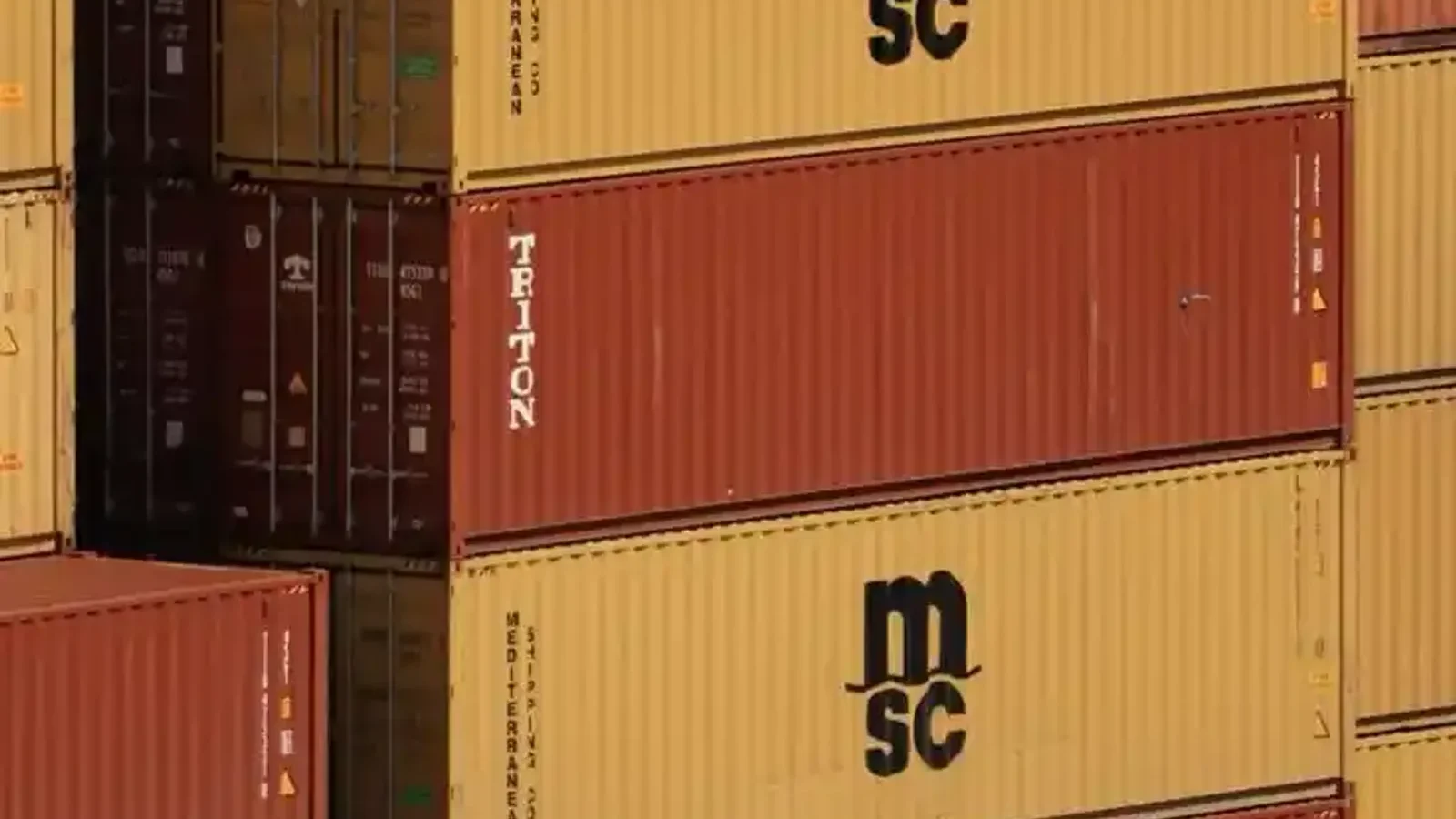

US businesses choose shipping containers for storage when they need secure, relocatable capacity without pouring a permanent building. From contractor compounds to warehouse overflow and seasonal inventory, steel boxes earn their keep when size, sealing, and site access match the job. This guide explains how to plan shipping containers for storage across common commercial use cases—and what to send so a quote reflects your real pad, not a best-case photo.
Start with the shipping containers hub, then compare 20ft, 40ft, and high cube options. Condition paths are covered under new and used pages. For background on the equipment type, see Intermodal container on Wikipedia.
Why shipping containers for storage work on US sites
Steel intermodal boxes lock, stack in many configurations, and move when the project moves. Compared with tents or open yards, shipping containers for storage reduce weather exposure and casual theft risk when doors and locking hardware are sound. Compared with leasing permanent warehouse bays, they can sit on a leased lot, a jobsite, or a plant overflow pad with far less build-out.
- Secure outdoor inventory near the workface
- Overflow when indoor racking is full
- Tool and materials cribs on construction compounds
- Seasonal stock for retail and event cycles
- Temporary archives or equipment holds during renovations
None of those wins happen automatically. Successful shipping containers for storage programs still need a level pad, clear approach, and a loading plan that matches door orientation and forklift paths.
Sizing shipping containers for storage: 20ft, 40ft, high cube
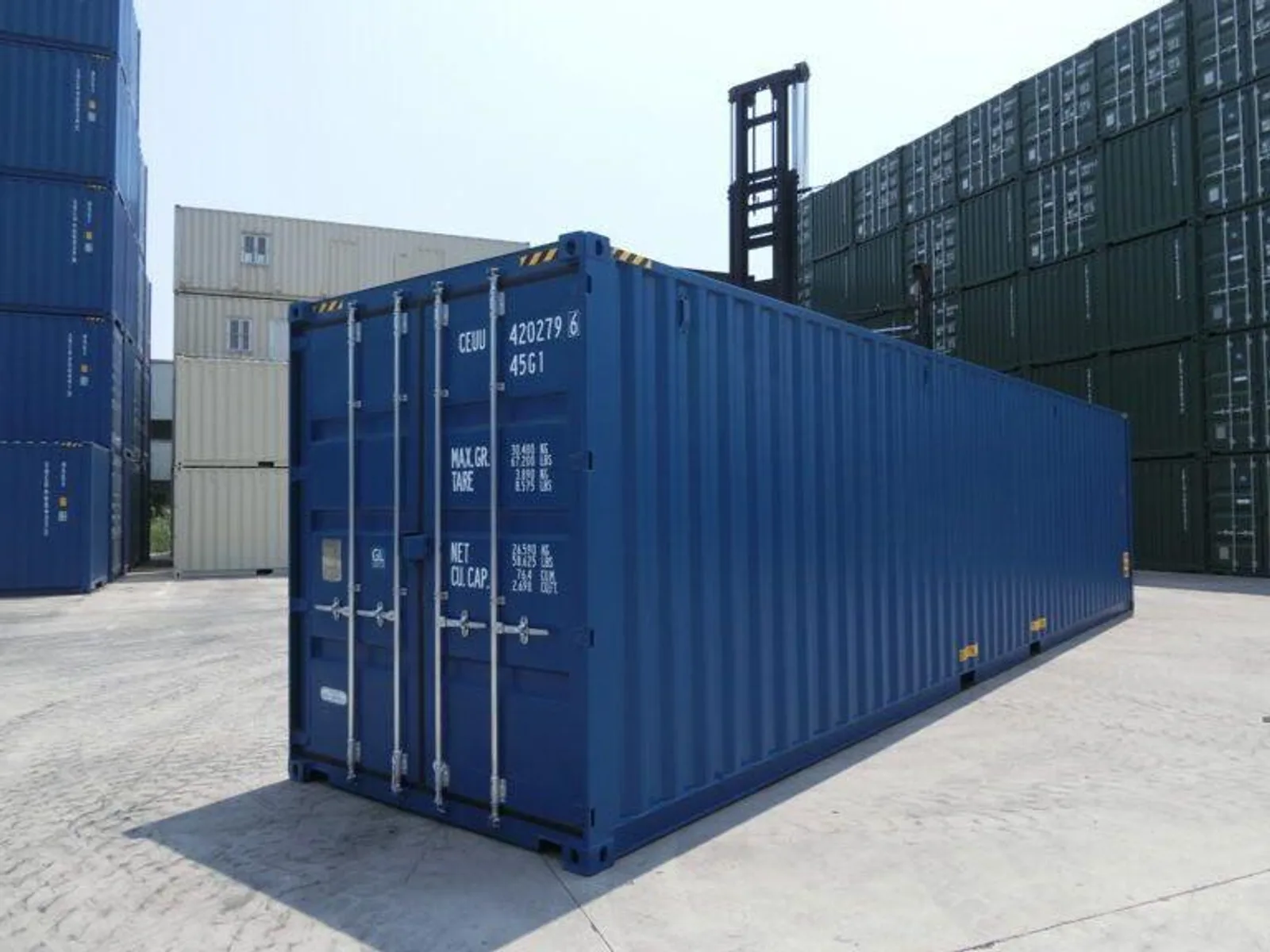
Dense tools and bagged goods often fit a 20ft efficiently. Bulky light product usually prefers 40ft cube. High cubes add headroom for taller racks or odd-shaped goods. Use the 20ft vs 40ft shipping container guide when length is the open question. For many teams, the real constraint is the last 100 feet of truck access—not the brochure cubic feet.
| Storage profile | Often better size | Why |
|---|---|---|
| Dense tools / parts | 20ft | Payload and compact footprint |
| Bulky light inventory | 40ft | More cube per unit |
| Tall racking / bulky height | 40ft high cube | Extra headroom |
| Tight urban lot | 20ft or staged 20fts | Easier placement |
| Fewer locks / cameras | One 40ft vs two 20fts | Simpler perimeter |
Map aisles before you order. Forklift entry through end doors favors a clear center lane. If you plan shelving on both sides, walk the interior dimensions with your racking vendor. That habit prevents the most common regret with shipping containers for storage: buying length you cannot use because the loading pattern was never drawn.
Condition grades for shipping containers for storage
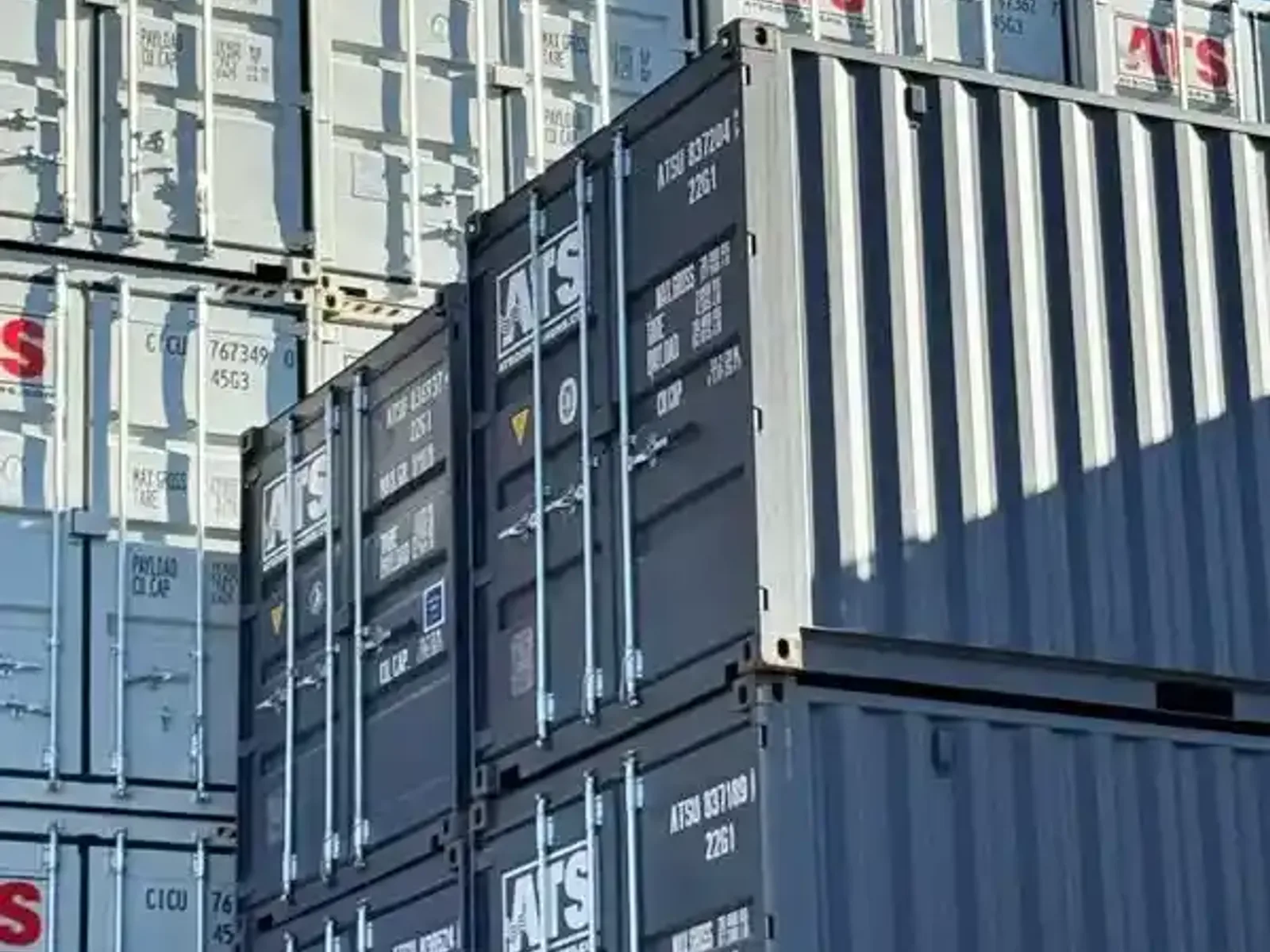
Used cargo-worthy units are workhorses for outdoor storage when seals and floors check out. Newer or one-trip units suit longer programs and sites where cleaner presentation matters. Read new one trip vs used shipping containers before you default to the lowest headline price. A soft floor or tired gasket can cost more than the grade savings within one wet season.
Budget factors—ranges, not fixed quotes—are covered in shipping container cost USA. Delivery and access often dominate remote pads, so include ZIP and gate notes early.
Site setup that keeps storage reliable
Place the unit on well-drained, compacted ground or sleepers as your site rules allow. Keep doors clear of standing water. Plan lock boxes, camera sightlines, and fence gates so the box is usable on busy mornings—not blocked by parked trucks. These operational details decide whether shipping containers for storage feel like infrastructure or like a daily obstacle.
- Confirm overhead lines and tree limbs on the approach
- Share soft-ground or crane needs up front
- Orient doors toward the forklift path you already use
- Leave swing room for doors and personnel traffic
Service-area context is listed on locations. When you request a quote, photos of the gate and drop pad help more than a vague urgency note.
Security and inventory practices
Standard container locking bars are a start; many sites add lock boxes, hasps, or monitored cameras. High-value tools may need inventory logs and limited key control. Moisture-sensitive goods may need desiccants, raised pallets, or—when justified—ventilation or climate measures beyond a basic shell. Treat shipping containers for storage as part of your loss-prevention plan, not only as cheap square footage.
If staff will work inside for extended periods, you may be crossing from storage into people space. In that case review office containers and shipping container offices instead of forcing a storage-only box to act like a break room.
Industry patterns across the USA
Construction teams stage materials beside active builds. Manufacturers park overflow SKUs during peak seasons. Municipal and facility teams hold equipment during renovations. Event and retail operators spin capacity up and down. The common thread is relocatable security. ISO planning envelopes (see ISO 668) keep handling familiar across regions even when local depot supply changes.
Wherever you operate, write down what “full” means for your inventory. That single note improves every conversation about shipping containers for storage size and quantity. Two half-empty 40fts are rarely better than one well-managed 40ft plus a clear reorder trigger.
Briefing checklist for storage quotes
- What you store (density, height, weather sensitivity)
- Preferred size/height or “recommend”
- Condition path: used cargo-worthy, new/one-trip, or either
- Quantity and how long units stay
- Delivery ZIP, gate width, overhead, soft ground
- Security extras you already know you need
Send that package through the quote form. MS Container Solutions can then shape a practical path for shipping containers for storage on your pad. More guides live on the blog.
Ventilation, condensation, and climate notes
Steel boxes sweat when warm humid air meets cool metal. In many US climates that means condensation on roofs and walls during shoulder seasons. Raised pallets, aisle airflow, and avoiding packing goods tight against cold panels all help. Passive vents can reduce stale air for some cargo; they are not a substitute for sealed doors when security is the priority. Decide up front whether your shipping containers for storage program needs climate control or simply smarter packing.
Electronics, paper records, and unfinished wood deserve extra attention. If those categories dominate, discuss insulation or a different storage strategy before you commit to a basic shell. Most contractor materials tolerate ambient conditions when the unit seals and drains correctly—another reason inspection belongs in every shipping containers for storage purchase.
Insurance, labeling, and site rules
Ask your insurer how outdoor container storage is treated on the policy. Some carriers want photos, lock standards, or distance-from-building notes. Label units with contents categories and emergency contacts so night crews do not cut the wrong lock. Facility managers often require painted numbers that match a site map. Those small administrative steps make fleets of shipping containers for storage manageable when the yard grows beyond one box.
If hazardous materials or regulated waste are involved, follow your EHS rules—containers are not a shortcut around compliance. Keep ordinary commercial storage in ordinary commercial boxes, and escalate special cargo to the right professionals.
Scaling from one unit to a small yard
The first container teaches access lessons. The third and fifth teach traffic lessons. Leave lanes for fire access and forklifts. Avoid door-to-door placements that trap a unit behind another. Camera coverage and lighting should grow with the footprint. A short yard plan scribbled on graph paper prevents expensive reshuffles later—especially when shipping containers for storage become semi-permanent infrastructure on a leased lot.
When you outgrow the pad, relocating a well-chosen used or newer unit is still cheaper than abandoning badly placed boxes. That flexibility is a core reason US teams keep choosing steel storage over improvised sheds.
Seasonal peaks and temporary surge capacity
Retailers, agricultural shippers, and event contractors often need surge space for a few months. Shipping containers for storage can cover that peak without a long warehouse lease—if you plan the pickup date when you plan the drop. Confirm demobilization access while the site is still open; a blocked gate at season end is an expensive surprise.
For recurring annual peaks, standardize on one size and grade so crews already know how to load the box. Consistency beats reinventing a custom layout every spring. That operational habit is how mature programs get reliable results from shipping containers for storage year after year.
Done well, shipping containers for storage give US commercial sites fast capacity with clear boundaries. Done poorly—wrong size, weak seals, impossible access—they create daily friction. The difference is almost always the brief you send before the truck rolls.
Frequently Asked Questions
Are shipping containers for storage weather tight?
Wind-and-water tight performance depends on doors, gaskets, and roof condition. Confirm sealing on the unit you buy.
Is a 20ft enough for most jobsite tool cribs?
Often yes for dense tools. Bulky materials may need 40ft cube or a second unit.
Do I need a permanent foundation?
Many sites use compacted pads or sleepers per local practice. Follow your GC or facility rules for bearing and drainage.
Can I relocate a storage container later?
Yes—that flexibility is a core reason teams choose shipping containers for storage. Plan lift method and approach for the move day too.
Should storage units be new or used?
Used cargo-worthy often wins for back-of-house storage when inspected. Newer units suit longer programs and cleaner presentation.
How do I get a storage quote?
Share inventory profile, size preference, condition path, ZIP, and access notes on the quote form.